Hello World: Why We Built Optlo
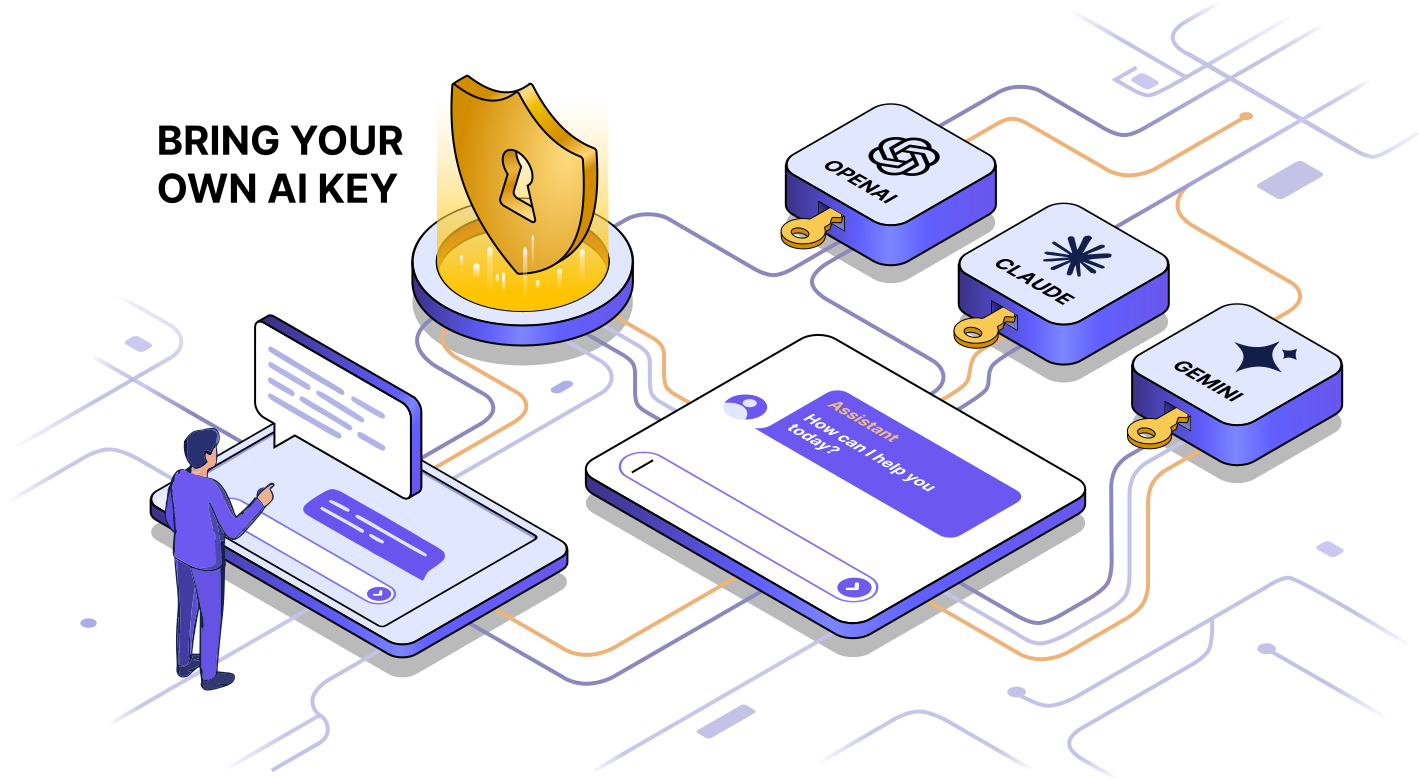
Optlo is live. We’ve been heads-down on it for months, and you can try it today.
Two ideas shaped it, and pretty much every other decision came back to one of them:
- You bring your own AI key.
- You control how your support agent works through workflows.
Bring your own key
Most support platforms sit between you and the model. They buy tokens wholesale then either mark them up or bill you per resolution. You never see what a conversation cost.
We don’t do that. You connect your own OpenAI, Gemini or Claude account, and Optlo calls the model through it. The charges land on your provider bill at your provider’s price. We don’t touch your credits or add a cent on top.
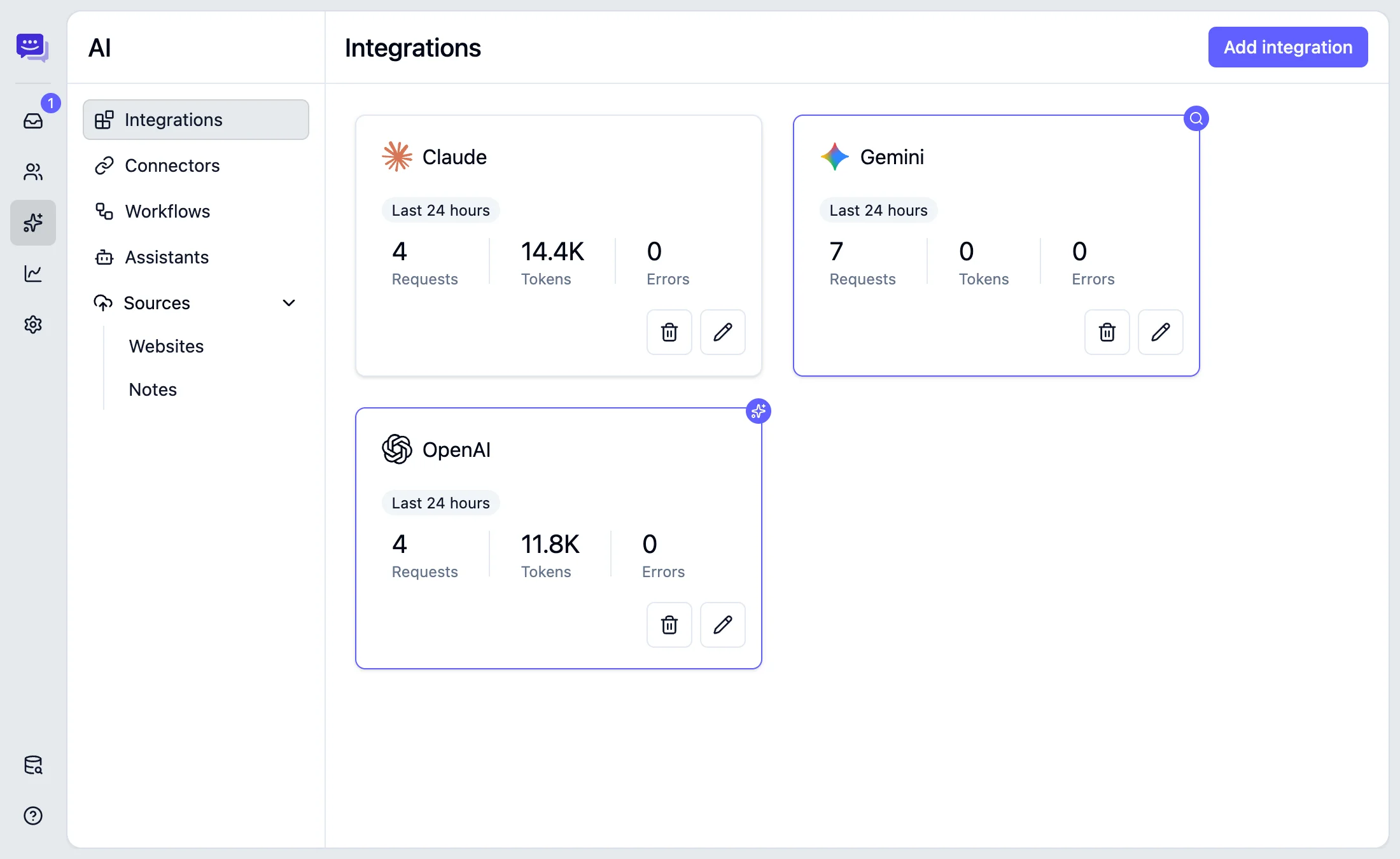
A few things follow from that:
- You pay for what you use, at cost. No token markup, no resolution fees.
- You set spend limits where they belong, in your AI provider’s own dashboard.
- If you already have AI credits, you get to spend them. Plenty of teams have credits from an enterprise contract or a startup program and nowhere to put them.
It also changes what we’re willing to build. When the platform eats the AI cost, every feature turns into a margin question, and the tempting answer is to ration: cap the strong model, limit message counts, hide the best features behind a higher tier. Since the bill goes straight to your provider, we don’t have that incentive. We can hand you everything and let you decide where AI is worth the spend.
Workflows
The second idea was to make Optlo customizable the whole way down.
Most software services stop at the surface: a name, an avatar, a system prompt, a handful of toggles. That used to be plenty. Going deeper meant hiring a developer, so only big companies with a budget for custom software bothered, and everyone else lived with the defaults.
That bar has dropped. Someone can vibe-code a working prototype over a weekend now, and that means they stop accepting “this is just how the product works.” If your tool won’t bend to how their team works, they’re more likely now to build their own.
We didn’t stop at surface level customization. Workflows let you control how your agent behaves at each step. You decide what it says and when it escalates to a person. It can pull a customer’s plan from Stripe in the middle of a conversation, or take a real action like upgrading a subscription, when your workflow says it should. You’re describing your support process, not filling in a settings form.

Workflows also allow you to control which model runs where. Route the incoming question with a small, cheap model, then send the hard ones to a reasoning model that costs more and earns it. “What are your hours” and a billing dispute don’t need the same horsepower. And since you’re the one paying the provider, you should be the one deciding when the expensive model comes out.
Try it
Those two choices, your key and your workflows, shaped everything else. You own the cost, and you own how the agent behaves. We’re early and there’s plenty more coming, but that’s the part we wanted to get right first.
If that sounds like the support tool you’ve been after, give Optlo a try.